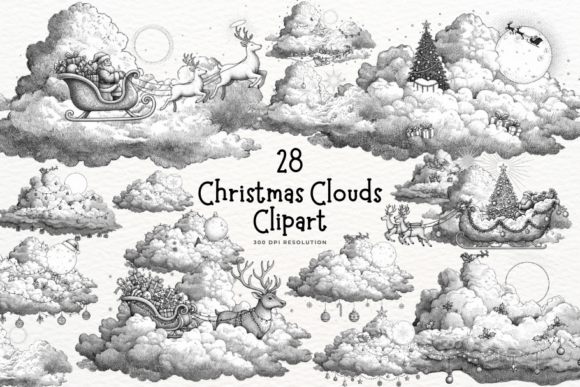
Christmas Clouds Clipart: Elevating Illustrations
As a digital publisher who has spent years refining the visual architecture of high-traffic blogs and affiliate sites, I approach every new graphic design asset with a critical eye. It is not enough for an image to be pretty; it must perform. It must support the narrative, enhance readability, and drive engagement. Recently, I integrated Christmas Clouds Clipart into a seasonal content rollout, and the results offered valuable insights into how specific illustrative styles can transform editorial design.
The first impression of this collection is one of softness and whimsy. Unlike the sharp, geometric vectors that dominate modern tech blogs, these clouds evoke a lifestyle-focused, dreamy aesthetic. They feel distinctly seasonal yet versatile enough to bridge the gap between playful and professional. For bloggers and content creators, this mood is crucial. It signals to the reader that the content is approachable, warm, and curated with care. In a niche saturated with aggressive sales pitches, this softer visual language builds immediate reader trust.
Strategic Applications in Content Publishing
When evaluating where Christmas Clouds Clipart fits within a real publishing workflow, I look beyond simple decoration. These assets are functional tools for visual hierarchy. Here is how I deployed them across various channels:
- Blog Featured Images: Using the clouds as background elements behind bold headline text creates depth without clutter. It draws the eye to the title while maintaining a clean, airy feel.
- Pinterest Pins: Vertical graphics thrive on negative space. The cloud shapes provide natural framing for text overlays, improving click-through potential by making the pin stand out in a crowded feed.
- Newsletter Headers: In email marketing, breaking up text blocks is essential. A subtle cloud illustration at the top of a holiday newsletter sets the tone before the reader even processes the subject line.
- Digital Guides and eBooks: For downloadable resources, these illustrations serve as excellent section dividers. They guide the reader through the content, reducing cognitive load and making long-form digital products feel more digestible.
For those managing affiliate marketing campaigns, consistency is key. By using these same Illustrations across social media previews and landing pages, you create a cohesive brand identity. This recognition factor is vital for converting casual visitors into loyal subscribers or customers.
Enhancing Visual Performance and Brand Identity
The true value of a creative design asset lies in its ability to support content performance. When I placed Christmas Clouds Clipart alongside serif fonts for editorial headers, the contrast was striking. The organic curves of the clouds softened the rigid structure of the typography, creating a balanced composition that feels both modern and timeless. This balance is critical for small business branding, where you want to appear professional but not sterile.
Furthermore, these assets improve category recognition. If you run a lifestyle blog, using a consistent set of cloud motifs for all your winter-related posts helps readers instantly identify the theme. This visual cue strengthens your web design strategy, making navigation intuitive and enjoyable. It transforms a standard blog post into a polished piece of content marketing that feels premium and well-produced.
Where to Use Caution
While versatile, this asset is not a universal fix. There are specific contexts where Christmas Clouds Clipart should be used carefully or avoided entirely:
- Small Mobile Thumbnails: Intricate details can get lost on small screens. Ensure the cloud shapes are simplified or scaled appropriately to remain recognizable as icons.
- Text-Heavy Layouts: Placing these illustrations directly behind dense paragraphs can reduce readability. Always check contrast ratios and consider using them as marginalia rather than background watermarks.
- Corporate or Serious Niches: If your brand voice is strictly analytical, financial, or corporate, the whimsical nature of these clouds may undermine your authority. They work best for lifestyle, education, parenting, and creative entrepreneurship niches.
- Busy Backgrounds: These assets rely on negative space. Placing them over complex photographic backgrounds can create visual noise. Stick to solid colors or subtle gradients for the best effect.
Practical Publisher Notes for Implementation
Before committing to any commercial design purchase, I always run a series of technical tests. Here is my checklist for integrating Christmas Clouds Clipart into your workflow:
First, test the asset on both desktop and mobile devices. What looks balanced on a 27-inch monitor may appear overwhelming on a smartphone. Preview the images inside your actual blog layout, not just in isolation. Check how the clouds interact with your existing website header and sidebar elements.
Second, experiment with typography. Place the illustrations beside different font styles. I found that pairing these clouds with a clean sans-serif font created a modern, minimalist look, while pairing them with a handwritten font enhanced the personal, diary-like feel. Avoid overly ornate script fonts if the clouds themselves are detailed, as this can lead to visual clutter.
Third, manage your file sizes. High-resolution design assets can slow down page load times, which negatively impacts SEO. Compress your images properly using tools like TinyPNG or Squoosh before uploading them to your server. Aim for a balance between visual quality and performance speed.
Finally, confirm the licensing terms. If you are using these images for monetized websites, affiliate pages, or paid digital downloads, ensure you have the appropriate commercial license. Many items in the creative marketplace offer different tiers of usage rights, so read the fine print to avoid legal issues down the line.
In conclusion, Christmas Clouds Clipart is more than just a decorative element. It is a strategic tool for enhancing editorial quality and strengthening visual communication. When used thoughtfully, it elevates blog graphics, improves user experience, and supports a cohesive brand identity. Whether you are creating a Canva template for clients, designing a lead magnet, or polishing your latest article, these illustrations offer the polish needed to make your content truly clickable.