Christmas Elements 3: Illustrations for Branding
As a brand designer and content marketer, I approach every new graphic design asset with a critical eye. It is not enough for an image to be pretty; it must perform. When I first opened the files for Christmas Elements 3, my immediate goal was to determine if this collection could withstand the rigors of a real-world holiday campaign. For small business owners and creative entrepreneurs, the holiday season is not just a time for celebration; it is a high-stakes period for revenue, audience engagement, and brand reinforcement. The right visual assets can elevate a simple promotion into a memorable brand experience.
First Impressions: Mood and Audience Perception
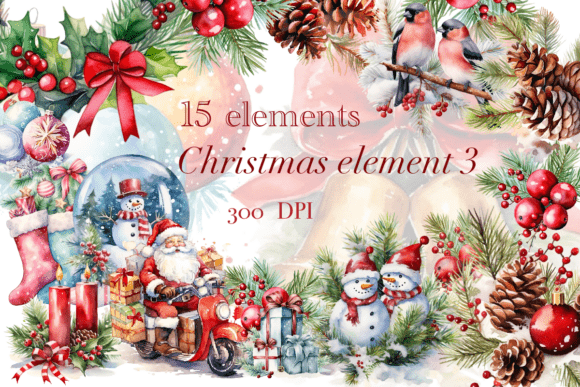
The initial scan of Christmas Elements 3 reveals a distinct mood. These are not generic, clipart-style images that feel disconnected from modern aesthetics. Instead, they offer a cohesive visual language that balances warmth with professionalism. For brands targeting lifestyle audiences, handmade product lovers, or those seeking a premium yet approachable vibe, these illustrations hit the mark. The emotional tone is inviting, suggesting comfort and tradition without feeling dated.
In terms of audience perception, using such refined assets signals attention to detail. When a potential customer sees consistent, high-quality visuals across your Instagram posts and email banners, it builds audience trust. It tells them that your brand values quality, which translates to perceived value in your products or services. This collection feels particularly suitable for casual branding that aims for a polished look, as well as for editorial graphics that require a touch of seasonal flair without overwhelming the text.
Integrating Assets into Real Marketing Workflows
To test the practical utility of Christmas Elements 3, I imagined a scenario where a boutique coffee roaster is launching a limited-edition holiday blend. The marketing mix requires a diverse range of materials: social media graphics, packaging inserts, and digital ads. Here is how these assets fit into that workflow.
- Social Media Graphics: The elements work exceptionally well for Instagram posts and Pinterest pins. By layering these illustrations over branded backgrounds, you can create a consistent content kit that stands out in a crowded feed. The visual hierarchy remains clear, allowing the product photo to remain the hero while the decorative elements frame it effectively.
- Packaging Design and Product Labels: For physical products, these assets can serve as accents on product labels or packaging design. Whether used as a subtle watermark or a prominent feature on a gift tag, they add a layer of professional branding that distinguishes your item from competitors.
- Email Banners and Web Design: In email marketing, space is premium. The scalable nature of this digital product means you can resize elements for headers without losing clarity. They provide a festive touch to website headers and landing pages, reinforcing the seasonal campaign theme.
Strategic Use for Stronger Brand Identity
The core strength of Christmas Elements 3 lies in its ability to support broader marketing goals. A disjointed visual presence can confuse customers, but a unified set of design assets strengthens recognition. By incorporating these illustrations into your brand identity during the holiday season, you create a stronger emotional connection. Customers begin to associate the specific style of these graphics with your brand’s voice.
This consistency leads to better engagement. When your Facebook ads, blog graphics, and lead magnets all share a common visual thread, the campaign feels more intentional and less like a last-minute effort. This is crucial for maintaining small business branding integrity during the chaotic end-of-year rush. The assets help achieve a modern design look that appeals to contemporary consumers who appreciate authenticity and aesthetic coherence.
Where to Use Caution: Limitations and Best Practices
While versatile, Christmas Elements 3 is not a one-size-fits-all solution. As a designer, I advise using these assets carefully in certain contexts. For formal corporate branding or highly minimal brands, the decorative nature of these illustrations might clash with a stark, ultra-modern aesthetic. Additionally, avoid using them in dense information layouts or text-heavy ads where they might compete with the main message. Clarity is paramount; if the graphic distracts from the call-to-action, it has failed its purpose.
Furthermore, be mindful of contrast. Placing detailed illustrations on low-contrast backgrounds can reduce readability and visual impact. Always test your designs on mobile screens, where details can get lost. If an element looks cluttered on a smartphone, simplify the layout or increase the spacing around the graphic.
Practical Designer Notes for Implementation
To get the most out of this design bundle, follow these practical steps before launching your campaign:
- Test with Your Color Palette: Do not assume the default colors will match your brand. Experiment with recoloring the SVG or PNG files to align with your existing brand guidelines. This ensures seamless integration into your marketing visuals.
- Check Font Pairings: These illustrations pair beautifully with serif fonts for a traditional feel, or sans serif fonts for a cleaner, modern look. Avoid overly ornate script fonts if the illustration itself is detailed, as this can create visual noise.
- Review Licensing: Before using these assets in paid campaigns or client work, confirm the commercial license terms. Understanding usage rights is essential for professional branding and legal safety.
- Mockup Testing: Place the elements inside real campaign mockups. See how they look on a mug, a tote bag, or a phone screen. This step reveals scaling issues that might not be visible on your desktop monitor.
Final Verdict: A Valuable Asset for Content Creators
In the landscape of the creative marketplace, finding a graphic design asset that balances artistic charm with commercial viability is rare. Christmas Elements 3 succeeds by offering flexibility and style. Whether you are creating a Canva template for clients, designing printable design sheets for planners, or crafting digital ads for an e-commerce store, these illustrations provide a solid foundation.
For content marketers and brand owners, the value extends beyond the immediate holiday season. These assets can be repurposed for winter-themed content, year-end reviews, or even as part of a evergreen content marketing strategy if styled correctly. They support the creation of memorable campaign visuals that do not look messy or unprofessional. By integrating Christmas Elements 3 thoughtfully, you enhance your visual hierarchy, maintain brand consistency, and ultimately drive better results through superior design. It is a strong addition to any designer’s toolkit for those looking to elevate their seasonal presence with confidence and style.