Pine Cones Illustrations: A Designer’s Review
As a brand designer and content marketer, I approach every new graphic design asset with a critical eye. It is not just about aesthetics; it is about utility, emotional resonance, and how well the element integrates into a cohesive brand identity. Recently, I had the opportunity to review the Pine Cones - Christmas Tree Collection, a set of Illustrations that promises to elevate seasonal marketing materials. After testing these assets in various real-world scenarios, from social media graphics to packaging mockups, I have formed a clear perspective on their value for creative entrepreneurs and small business owners.
First Impressions: Mood and Emotional Tone
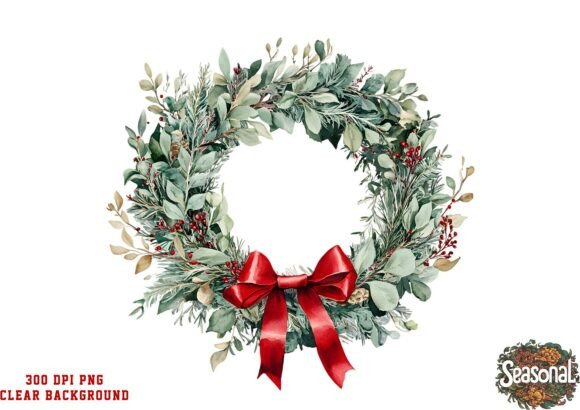
The immediate impression of the Pine Cones - Christmas Tree Collection is one of rustic warmth and organic elegance. Unlike the glossy, hyper-realistic stock photos that often clutter holiday campaigns, these illustrations offer a handcrafted feel. This mood is crucial for brands that rely on authenticity, such as handmade product sellers, lifestyle coaches, or boutique retailers. The visual tone suggests comfort, tradition, and natural beauty, which can significantly influence audience perception by creating an instant emotional connection.
For marketers, this means the asset is not merely decorative; it is communicative. It signals to the viewer that the brand values quality and attention to detail. Whether you are aiming for casual branding or a more premium, editorial look, these pine cone illustrations provide a versatile foundation. They avoid the cluttered, messy appearance that often plagues amateur designs, ensuring your content remains professional and visually appealing.
Integrating Into Real Marketing Workflows
To truly understand the utility of this collection, I integrated the assets into a hypothetical campaign for a small business launching a winter wellness product line. The goal was to create a consistent visual language across multiple touchpoints. Here is how the Pine Cones - Christmas Tree Collection performed in specific marketing situations:
- Social Media Graphics: The illustrations worked exceptionally well for Instagram posts and Pinterest pins. Their clean lines allowed for easy layering over textured backgrounds, creating depth without sacrificing readability.
- Packaging Design: When applied to product label mockups, the pine cones added a subtle, festive accent that did not overpower the brand logo. This is vital for maintaining visual hierarchy on physical products.
- Email Banners: In email marketing, where load times and clarity are key, the simplified nature of these illustrations ensured they rendered clearly on all devices, enhancing the professional appearance of the newsletter.
- Blog Graphics: Using the assets as header images for seasonal blog posts helped break up text-heavy content, making the articles more engaging and easier to digest for readers.
This versatility makes the collection a strong candidate for any design bundle aimed at content creators who need to produce high volumes of marketing visuals quickly without compromising on quality.
Strategic Brand Benefits
Beyond mere aesthetics, incorporating the Pine Cones - Christmas Tree Collection supports several critical marketing goals. First, it strengthens audience trust. Consistent, high-quality visuals signal reliability and professionalism. When customers see cohesive branding across your digital ads, website, and social channels, they are more likely to perceive your business as established and credible.
Second, these illustrations improve content marketing engagement. Visuals that evoke emotion—such as the nostalgia associated with pine cones and winter holidays—are more likely to be shared and saved. This increases the reach of your campaign and builds stronger recognition for your brand. Finally, using unique clipart or illustration sets helps differentiate your brand from competitors who may be relying on generic, overused stock imagery.
Optimal Use Cases and Placement
Through my review, I identified specific areas where this asset shines. It is ideal for hero graphics on landing pages, where a strong first impression is necessary. It also works beautifully in campaign headers and promotional banners, acting as a decorative brand element that frames the core message without competing with it. For those creating Canva templates or printable promotions, these pine cones serve as excellent accents for borders, corners, or background patterns.
Furthermore, the collection is suitable for editorial design layouts, such as digital magazines or lookbooks, where a touch of organic texture can soften the rigidity of grid-based designs. It also adds value to digital product visuals, such as eBook covers or lead magnets, giving them a polished, curated look.
Limitations and Careful Application
While versatile, the Pine Cones - Christmas Tree Collection is not a one-size-fits-all solution. Brand designers should use these assets carefully in formal corporate branding, where minimalism and strict geometric precision are preferred. They may also struggle in dense information layouts or text-heavy ads, where the intricate details of the pine cones could distract from the main message.
Additionally, caution is needed when using these illustrations on low-contrast backgrounds or in very small mobile graphics. If the details are too fine, they may become illegible on smaller screens. It is essential to test scalability and ensure that the asset does not clash with overly minimal brands that rely on stark, monochromatic palettes.
Practical Designer Notes for Implementation
Before integrating any design assets into client work or business branding, I recommend a rigorous testing phase. Here are my practical notes for using this collection effectively:
- Color Palette Testing: Experiment with the illustrations against your brand’s primary and secondary colors. Ensure there is sufficient contrast for accessibility and visual impact.
- Monochrome Check: Test the assets in black and white. This is crucial for printable design applications and ensures versatility in single-color printing scenarios.
- Mockup Integration: Place the pine cones inside real campaign mockups, such as phone screens or package boxes, to gauge how they look in context.
- Typography Pairing: Review how the illustrations pair with different font styles. They tend to complement serif fonts for a classic look, sans serif fonts for modern clarity, and script or handwritten fonts for a personal, artisanal feel.
- Licensing Verification: Always confirm the commercial license terms before using the assets in paid campaigns or for client projects. Understanding the rights associated with SVG design or PNG design files is critical for legal compliance.
In conclusion, the Pine Cones - Christmas Tree Collection is a valuable addition to any creative entrepreneur’s toolkit. It offers a blend of aesthetic charm and practical utility that supports professional branding and effective small business branding. By understanding its strengths and limitations, designers and marketers can leverage these illustrations to create memorable, emotionally resonant campaigns that stand out in the crowded creative marketplace.