Reviewing the Christmas Gingerbread Alphabet for Holiday Stitching
As an embroidery designer who has spent countless hours hooping fabric and troubleshooting tension issues, I approach every new machine embroidery design with a mix of curiosity and caution. The holiday season is particularly demanding for small business owners and crafters. We need designs that are not only festive but also reliable, legible, and commercially viable. Recently, I had the opportunity to evaluate the Christmas Gingerbread Alphabet, a set categorized under Illustrations, to determine if it holds up under the scrutiny of real-world production.
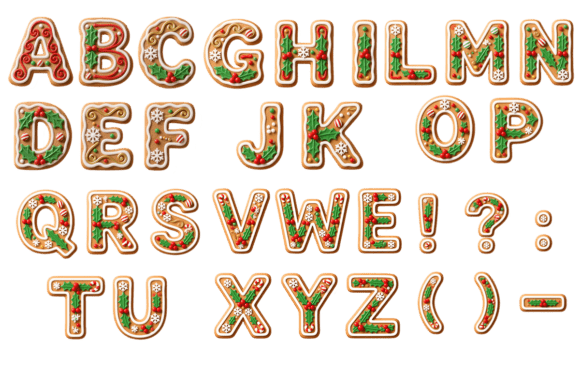
My first impression was immediate. This alphabet does not try to be overly complex or hyper-realistic. Instead, it leans into a charming, hand-drawn aesthetic that mimics the rustic appeal of actual baked goods. The shapes are rounded and inviting, creating a mood that is warm, nostalgic, and distinctly seasonal. For those of us in the creative entrepreneurship space, this visual personality is crucial. It signals "handmade" without screaming "amateur." It fits naturally into the niche of holiday embroidery where customers seek comfort and tradition in their personalized gifts.
Real-World Application: The Tote Bag Test
To truly understand how the Christmas Gingerbread Alphabet performs, I moved beyond digital mockups and stitched it out on a canvas tote bag. This is a common item for Etsy sellers and boutique shops during the fourth quarter. I chose a natural cotton canvas, which provides a sturdy base but can sometimes resist fine details if the stitch density is too low.
The result was surprisingly crisp. The letters held their shape well, avoiding the puckering that often plagues larger fill areas on unstructured fabrics. I used a standard cut stabilizer, which is my go-to for woven materials like canvas and twill. The design’s layout allowed for easy centering, and the spacing between characters felt balanced, ensuring that even when stitching full names or short phrases, the text remained readable. This is a critical factor for any embroidery project intended for commercial sale. If a customer cannot read the name on their child’s stocking or their own monogrammed towel, the product fails its primary function.
Versatility Across Product Lines
One of the strongest assets of this alphabet is its adaptability. While it shines on tote bags, I found it equally effective on other popular items. For sweatshirt embroidery, the bold lines of the gingerbread style stand out against fuzzy fleece or French terry cloth. Thin, delicate fonts often get lost in the pile of winter fabrics, but the substantial nature of these letters ensures visibility.
I also tested the design on a kitchen tea towel. Here, the context of "gingerbread" feels particularly appropriate. The whimsical nature of the font complements the domestic setting, making it an ideal choice for holiday hostess gifts. For baby embroidery, such as on onesies or burp cloths, the soft edges of the design feel safe and gentle. However, I would advise scaling down the size significantly for infant garments to maintain proportion and comfort.
For those selling embroidered patches, this alphabet could work well if backed with a dense satin stitch border. The illustrative quality translates nicely to the patch format, adding a tactile, vintage vibe to jackets or backpacks. It is also a strong contender for custom apparel lines, particularly for family matching sets during the holidays. The cohesive look helps build brand consistency for small shop products.
Technical Considerations and Limitations
No design is perfect for every scenario, and honest evaluation requires acknowledging where the Christmas Gingerbread Alphabet might struggle. Because the style mimics the irregularity of cookies, some of the finer details, such as the "icing" accents, rely on precise stitching. On highly textured fabrics like heavy wool or loosely woven linen, these small details might blur. In such cases, adjusting the thread colors to create higher contrast can help maintain clarity.
Stitching on curved surfaces, such as caps or hats, requires extra care. The rigid structure of the lettering may cause distortion if the hoop is not secured tightly or if the fabric is too stretchy. I recommend using a strong tear-away or cut-away stabilizer depending on the cap material. Additionally, for very small hoop sizes, avoid using the full alphabet in a single line. Instead, use individual letters as accents or initials to prevent crowding.
Density is another factor to monitor. While the design is not excessively dense, layering multiple elements or combining it with large fill-stitch backgrounds can increase the risk of fabric pull. Always test on scrap fabric first. This simple step saves time, thread, and frustration. Check the stitch density in your software before sending the file to the machine, especially if you are working with delicate silks or thin synthetics.
Commercial Viability and Brand Value
For the Etsy seller or digital product creator, the value of this alphabet lies in its marketability. Holiday themes are saturated, but a unique typographic style can differentiate your offerings. The Christmas Gingerbread Alphabet offers a distinct look that is recognizable yet versatile. It enhances the perceived value of the finished product by adding a layer of professional polish.
When creating printable mockups or digital previews for your shop, ensure that the lighting highlights the texture of the stitches. Buyers engage more with images that show the tactile quality of the embroidery. This design photographs well because the raised stitches catch the light, emphasizing the gingerbread motif. It builds trust with potential customers who want to see exactly what they are buying.
Before listing items for sale, always confirm the licensing terms associated with the digital embroidery file. Most designers allow commercial use for physical items, but restrictions may apply to digital resale or mass production. Understanding these boundaries protects your craft business and ensures ethical practice.
Final Designer Notes
If you are considering adding this to your library, here are my practical recommendations:
- Test on various fabrics: Try it on cotton, fleece, and canvas to see how the stitch formation varies.
- Check color contrast: Use traditional gingerbread browns with white icing threads for classic appeal, or experiment with reds and greens for a bolder holiday look.
- Verify hoop compatibility: Ensure the design fits within your machine’s maximum hoop size, especially if planning to stitch long names.
- Inspect small details: Zoom in on the digital file to check for potential jump stitches or unnecessary trims that could slow down production.
- Consider the audience: This design appeals to those who love rustic, cozy aesthetics. Align your marketing with this vibe.
In conclusion, the Christmas Gingerbread Alphabet is a solid addition to any holiday-themed design collection. It balances charm with functionality, making it suitable for a wide range of handmade products. Whether you are creating personalized gifts for friends or stocking your small shop with seasonal merchandise, this design offers the reliability and visual appeal needed to succeed in the competitive holiday market. Just remember to respect the technical limits of your machine and materials, and you will likely find this alphabet to be a dependable workhorse for your December projects.