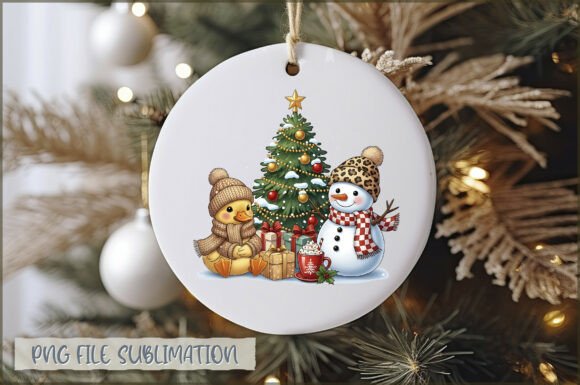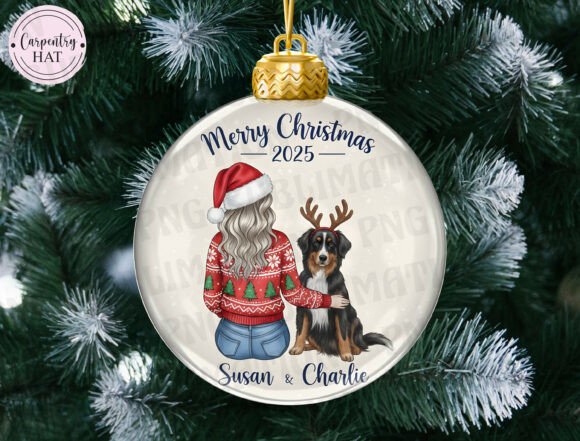
Reviewing the Christmas Ornament PNG for Real Embroidery Use
As a designer who spends more time staring at stitch simulations than I care to admit, I have learned that not every pretty graphic translates well to thread. We often get swept up in the visual appeal of a digital file, forgetting that embroidery is a tactile medium with physical limitations. Recently, I pulled up the Christmas Ornament PNG to evaluate its potential for upcoming holiday projects. This isn’t just about whether it looks cute on a screen; it is about how it behaves under the needle, how it wears after washing, and whether it adds genuine value to a handmade product.
The first impression of this design is one of nostalgic charm. It captures the essence of holiday decoration without relying on overly complex gradients that embroidery machines struggle to replicate. The layout feels balanced, with a clear focal point that draws the eye immediately. For those of us working in the realm of Illustrations, the line work suggests a thoughtful approach to simplification, which is crucial when converting raster or vector art into a functional machine embroidery design. The mood is warm and inviting, perfectly suited for the cozy aesthetic that dominates the fourth quarter of the year.
Real-World Application: The Holiday Tote Test
To truly understand the utility of the Christmas Ornament PNG, I imagined a specific real-life scenario: creating a set of custom gift bags for a boutique client. The goal was to produce durable, reusable tote bag design options that customers would keep long after the presents were unwrapped. In this context, the design needs to be bold enough to be seen from a distance but refined enough to look professional up close.
When visualizing this ornament on a canvas tote, the shape holds up well. It doesn’t rely on tiny, fragile details that might get lost in the weave of the fabric. Instead, it uses stronger lines and defined shapes that translate beautifully into satin stitch borders and fill stitch interiors. If you are an Etsy seller looking to expand your holiday inventory, this type of graphic is ideal because it appeals to a broad audience. It works equally well as a standalone motif on a plain bag or as part of a larger composition on a sweatshirt embroidery project.
Versatility Across Products
One of the strongest aspects of this design is its adaptability. I considered how it would perform on various substrates beyond just totes. For baby embroidery, such as a festive onesie or a burp cloth, the design’s simplicity is a major advantage. Babies move, and their clothes go through rigorous washing cycles. A design with excessive stitch density can become stiff and uncomfortable, but this ornament appears to have a breathable structure that remains soft against sensitive skin.
For custom apparel like adult hoodies or flannel shirts, the ornament provides a classic holiday touch without feeling childish. It pairs wonderfully with personalized text, allowing makers to create unique personalized gift items. Imagine stitching this ornament above a family name on a pillow cover or alongside a date on a commemorative blanket. The visual weight of the ornament anchors the text, creating a cohesive embroidery project that feels intentional and high-quality.
Even for niche items like embroidered patch creation, this graphic shines. Patches require clean edges and minimal jump stitches to ensure durability during iron-on application or sewing. The clear boundaries of the Christmas Ornament PNG make it a strong candidate for cut-out appliques or dense satin-edged patches that can be sold as standalone small shop product additions.
Technical Considerations for Stitching Success
While the aesthetic is promising, practical execution requires attention to detail. As an experienced reviewer, I must highlight where caution is needed. If you are planning to stitch this on textured fabrics like terry cloth towels or fuzzy fleece, you must ensure the design elements are large enough to bridge the gaps in the fabric texture. Tiny details can disappear or look jagged if the fabric pile interferes with the needle penetration.
Similarly, when working with stretchy fabric such as jersey knits for t-shirts, proper stabilization is non-negotiable. The ornament’s shape, if not supported correctly, could pucker or distort during stitching. I always recommend using a cut-away stabilizer for garments that will be washed frequently, ensuring the finished product maintains its shape over time. For woven fabrics like linen or cotton, a tear-away stabilizer might suffice, but always test on scrap fabric first.
Color selection plays a pivotal role in how this design reads. While the digital preview might show vibrant reds and greens, thread colors behave differently under light. I advise testing contrasting thread colors to see which combination offers the best visibility. Sometimes, a monochromatic look using varying shades of gold or silver can elevate the design, making it feel more luxurious and suitable for high-end boutique branding.
Navigating Hoop Sizes and Placement
Before loading the digital embroidery file into your machine, confirm the recommended hoop size. Trying to cram a detailed ornament into a 4x4 hoop when it was designed for a 5x7 can result in lost detail and frustrated stitching. Conversely, scaling it up too much for a large hoop might expose imperfections in the digitizing if the original file wasn’t optimized for larger dimensions. Always check the aspect ratio to ensure the ornament doesn’t look stretched or squashed.
Placement is another critical factor. On curved surfaces like caps or hats, the center of the ornament should align with the highest point of the crown to prevent distortion. For flat items like aprons or tea towels, consider the negative space around the design. Leaving adequate room ensures the embroidery doesn’t feel cramped, enhancing the overall professionalism of the piece.
Enhancing Brand Value and Customer Trust
Ultimately, the choice of design impacts your brand perception. Using a well-balanced graphic like the Christmas Ornament PNG signals to customers that you care about quality. It avoids the cluttered, amateurish look that plagues many low-effort craft business offerings. When customers receive a handmade product with clean, crisp stitching and a recognizable, appealing motif, their trust in your brand grows.
This design also lends itself well to marketing materials. You can use it in printable mockup scenes to showcase how it looks on different products before you even stitch a single thread. This helps in creating compelling social media content and Etsy listings that drive buyer engagement. By presenting a cohesive visual identity across your design assets, you build recognition and loyalty among your audience.
For those involved in commercial embroidery, licensing is a key consideration. Always verify the license terms associated with the file to ensure you are compliant when selling finished items. Whether you are creating holiday embroidery for local craft fairs or shipping globally, knowing your rights protects your business and ensures smooth operations.
In conclusion, the Christmas Ornament PNG is a versatile and practical choice for designers and makers. It balances aesthetic appeal with technical feasibility, making it suitable for a wide range of applications from baby clothes to home decor. By paying attention to fabric choice, stabilization, and color contrast, you can transform this digital asset into a stunning physical product that delights customers and strengthens your brand. Remember, the best designs are those that not only look good on screen but stand up to the realities of thread and fabric.